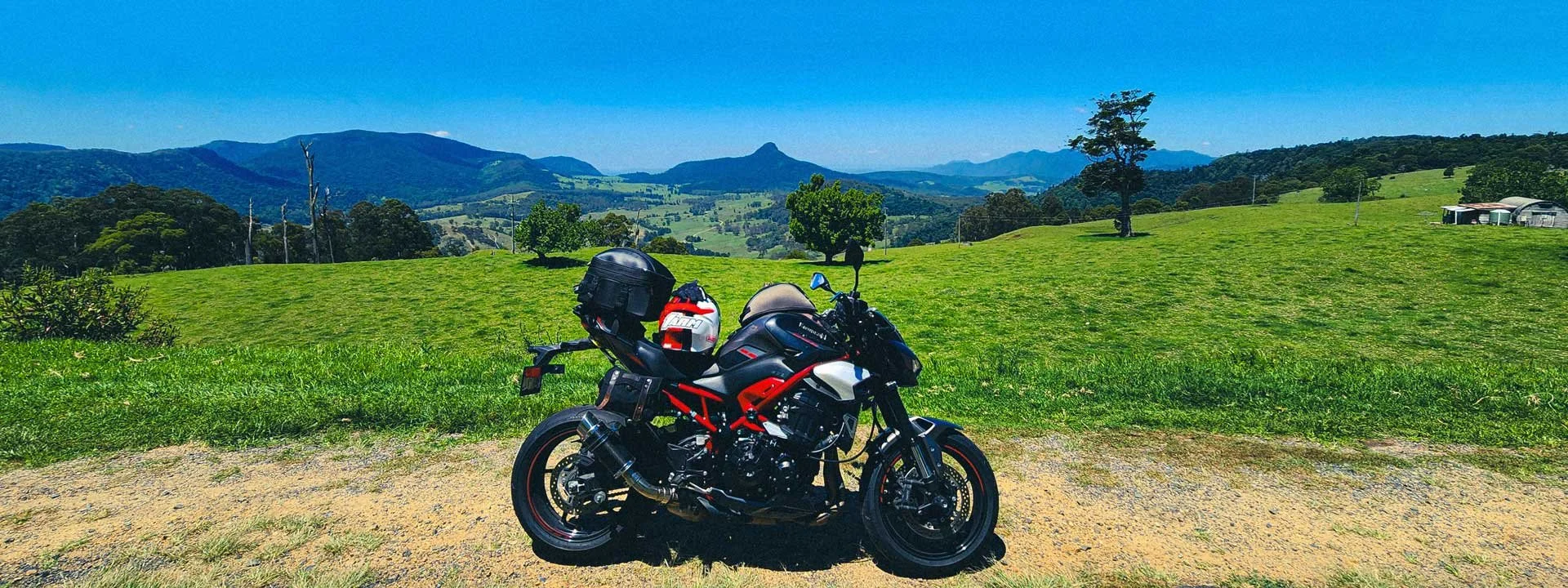
One Hand. 4,500km. One Incident.
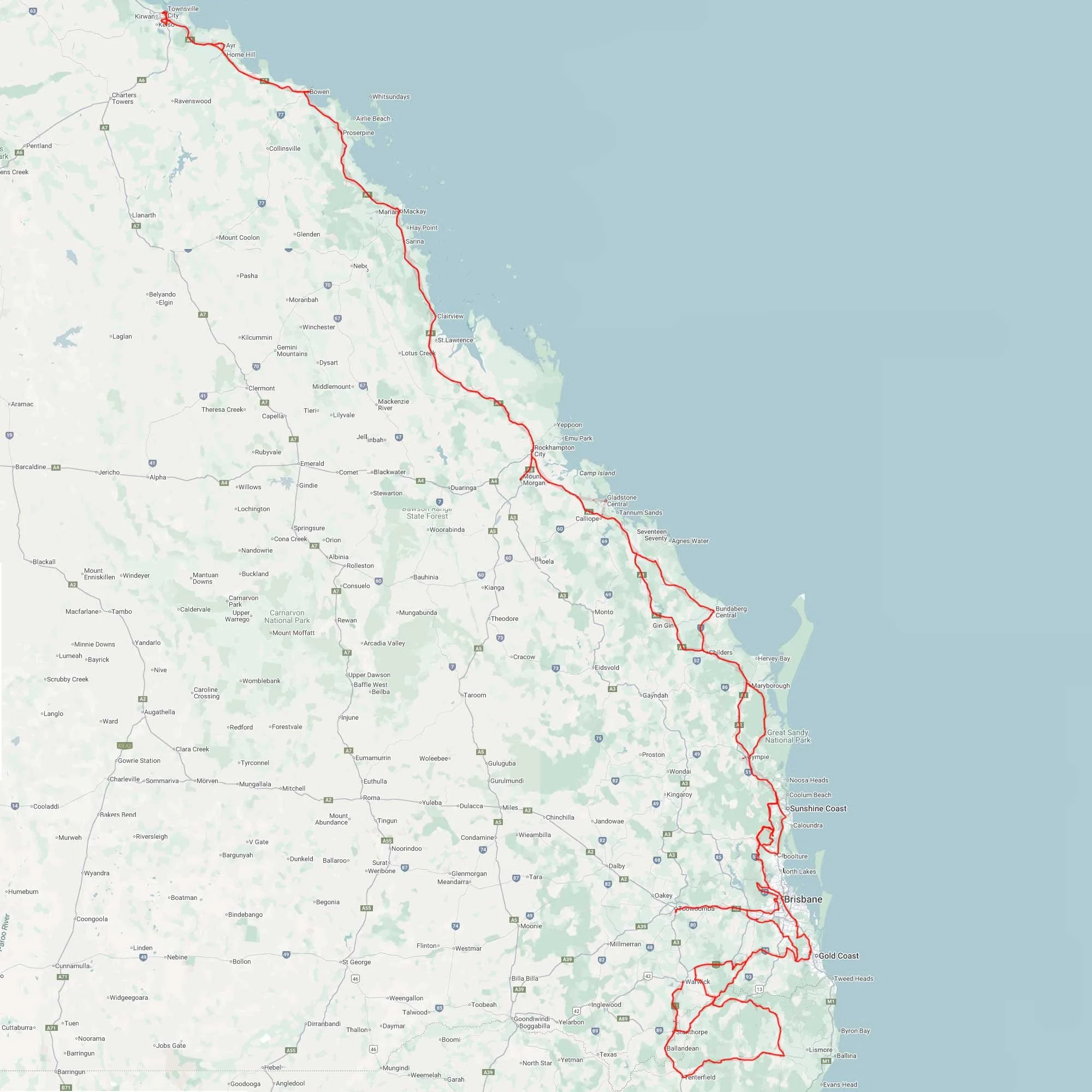
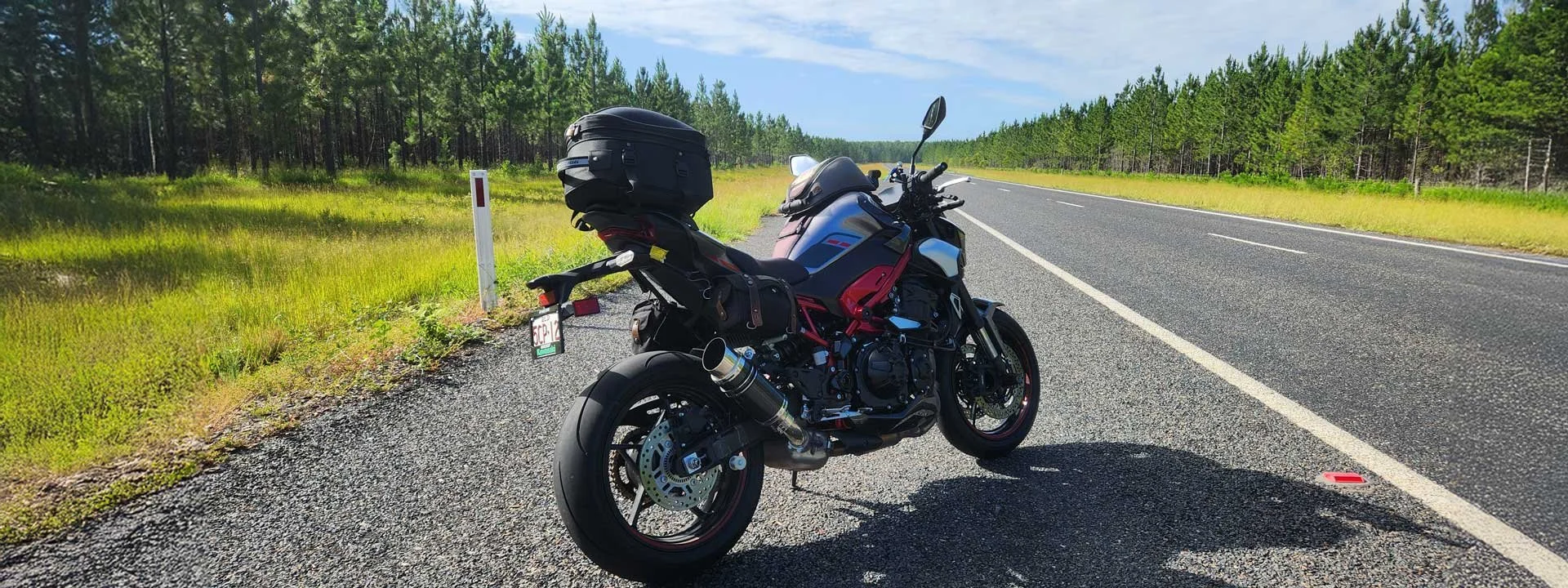
In late 2025 I rode just over 4,500km on my own. It wasn’t a slow sightseeing cruise, and it wasn’t a fast, aggressive push either. I rode at a pace that felt natural, enjoyed the roads, and let the trip unfold. What surprised me most wasn’t the distance or the conditions — it was how uneventful the ride was. One incident in 4,500km. No near misses with traffic. No close calls. No “that was lucky” moments.
And that wasn’t because the ride was easy. It was anything but.
The Conditions
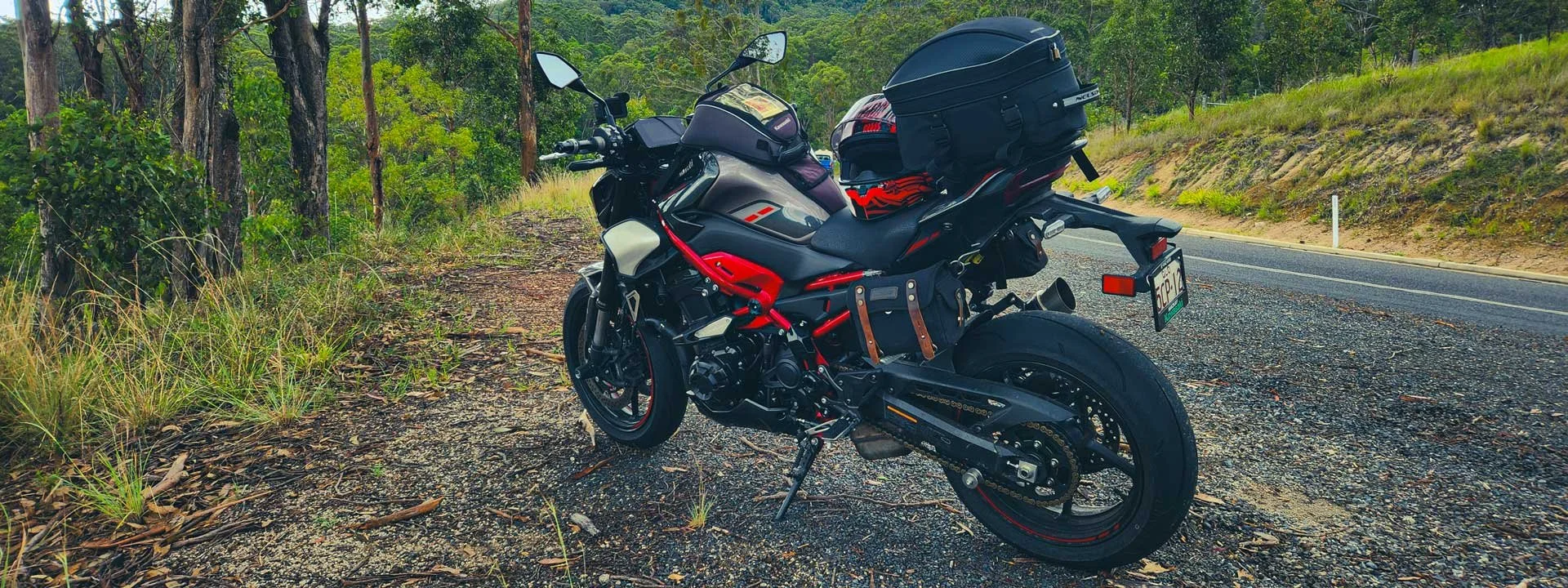
Across those 4,500km I rode through just about every environment and weather pattern Australia can throw at you:
• Rural backroads
• Remote stretches with no traffic
• Suburban congestion
• Highways, freeways, and motorways
• Backwoods twisties
• Extreme heat and humidity
• Heavy rain, light rain, and everything in between
• Cooler temps through NSW
• Drivers from every possible background and skill level
It was a proper mix — the kind of ride that exposes you to the full spectrum of risk.
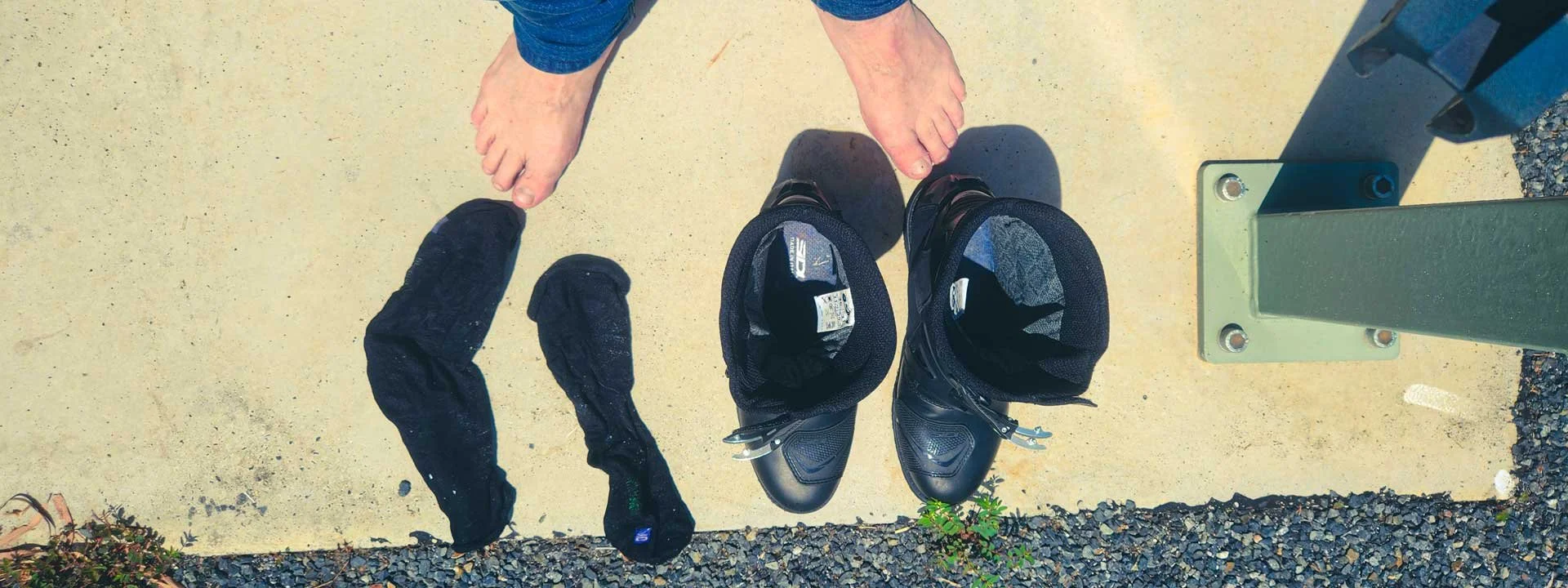
I packed light, packed smart, and wore the right gear the whole way. Sometimes that meant boots full of water. Sometimes it meant a jacket full of sweat. But I stayed comfortable enough to stay switched on.
The One Incident
The only real moment of danger happened just outside Gin Gin, heading north from Dayboro to Gladstone.
A stray dog ran out onto the highway at full speed. I was already a few hundred kilometres into the day — hot, tired, thirsty — and sitting at highway pace. The dog ran right to left into my lane, paused, then suddenly changed direction.
What I remember most is how simple my thinking was:
• Hard brakes
• Eyes on the clear road around the dog
• Shift my target to where I wanted the bike to go
• Shift again when the dog changed direction
• Ease off the brakes
• Accelerate out
At no point did I think, “I’m going to hit it.”
My brain wasn’t locked onto the dog — it was locked onto the escape path.
I didn’t notice my body position. I didn’t notice the suspension diving. I didn’t think about technique. I just executed what I’ve practised.
Why Practice Matters
One of my regular training habits is 100km/h to zero emergency stops — on both the Z900 and the TRX850. I practise them in the dry and in the wet. I also practise low‑speed emergency stops with direction changes in carparks.
What I don’t practise is full‑power emergency braking combined with high‑speed direction changes. Most riders don’t.
But the foundation was there.
The muscle memory was there.
The mindset was there.
When the dog ran out, I didn’t have to think about the mechanics of stopping the bike. I only had to think about the problem in front of me.
Why the Ride Was So Uneventful
Across 4,500km, the thing that kept me safe wasn’t luck. It was a simple rule I stuck to the entire trip:
Look. Slow down. Move away.
That’s it.
It sounds basic, but it works.
It gives you time.
It gives you space.
It gives your brain room to make decisions instead of reacting in panic.
The practice I’ve done over the years made the “slow down and move away” part automatic. The awareness kept me out of trouble before trouble even started.
Closing Thoughts
I’ll write more about this ride — the route, the gear, the mindset, the small moments that made it worthwhile. But the biggest takeaway is simple: you don’t need to ride excessively slow to ride safely, and you don’t need to ride fast to have fun. You just need to understand your limits, practise the basics, and give yourself the space to make good decisions.