
Motorcycle safety
Disclaimer
I’m not here to preach, and I’m not pretending to be a flawless ambassador for motorcycle safety. I still have moments where a bit of “stupid” leaks out. I’m not in a position to tell anyone how they should ride. You ride your ride — just don’t hurt anyone else in the process.
What I am saying is simple: take ownership of your behaviour and the outcomes of your riding style, whether they’re good, bad, or ugly.
Surviving a Motorcycle Accident Doesn’t Make Me an Expert
I don’t share my story to scare people straight. I’ve learned that crash stories rarely change attitudes. A few riders might adjust their behaviour for a while, but most fall back into the same mindset: “It won’t happen to me.”
I used to think the same way. I’d attended serious crashes involving other riders, and even then, I believed I was too skilled, too experienced, too switched‑on for it to happen to me. That illusion lasted right up until the day it didn’t.
If you strip the motorcycle out of my story, the core message is still the same: complacency will get you.
I’d ridden that corner a hundred times. The bike had handled it perfectly every single time. I went in expecting the same outcome — and instead found myself in a ditch, in pieces.
Motorcycling is like that. When things come undone, they come undone fast, and often violently.
What People Don’t See
Most people only see the “after” — me back on a bike despite permanent disability. What they don’t see is the rebuilding.
The physical, emotional, and mental effort required to put myself back together was immense. It tested who I was as a person and those close to me. And the truth is, that rebuilding hasn’t stopped. It’s been 27 years, and I’m still doing the work.
I want riders to understand this part because not everyone has the capacity to get back up after something like this. Recovery isn’t guaranteed. Strength isn’t guaranteed. And the cost of a mistake can follow you for the rest of your life.
Why I Focus on Myself First
I’ve learned that you can’t change rider behaviour with safety campaigns, slogans, or shock tactics. Riders don’t change because someone tells them to. They change because they decide to.
That’s why I focus on myself — my skills, my attitude, my habits. I look at where I’m weak and where I’m sloppy, and I work on it. I avoid riding with people who push me toward risk, and I choose to ride with people who respect the idea of riding their own ride.
Setting a better example isn’t about being perfect. It’s about being accountable.
Riding With Learner riders
I love riding with learner riders. People assume it’s because I’m helping them — and I am — but the truth is, it helps me just as much.
When you ride with learners, you’re forced to slow down, think clearly, and demonstrate the habits you want them to develop. It keeps you honest. It keeps you grounded. It reminds you that riding is a craft, not a competition.
Learners haven’t yet fallen into the trap of thinking they’re already “safe enough,” or that skill is measured by wheelies, speed, or how fast they can take a corner. They’re still open to learning — and that’s a mindset every rider should keep.
The Headspace You Bring to Riding Starts Long Before You Buy a Bike
One thing I’ve come to believe is that your mindset as a rider doesn’t start the day you get your licence. It begins long before that — shaped by your personality, your life experiences, your attitude toward risk, and the way you handle pressure.
Some people are predisposed to risky behaviour before they ever throw a leg over a bike. They bring that mindset with them, and the motorcycle amplifies it.
Being aware of your own tendencies — impatience, competitiveness, impulsiveness, ego, whatever it is — can make you a safer rider. Not because awareness magically fixes everything, but because it gives you a chance to manage it before it manages you.
Where I’m At Now
These days, I’m focused on being a safe, considerate rider without losing the joy that makes motorcycling what it is. I’m not perfect, but I’m better than I used to be. And when I’m supervising learners, I make a point of showing them the mindset I wish I’d had earlier in my riding life.
If we want fewer riders injured or killed, it won’t come from posters, ads, or road‑safety slogans. It’ll come from riders setting better examples for each other — one ride at a time.
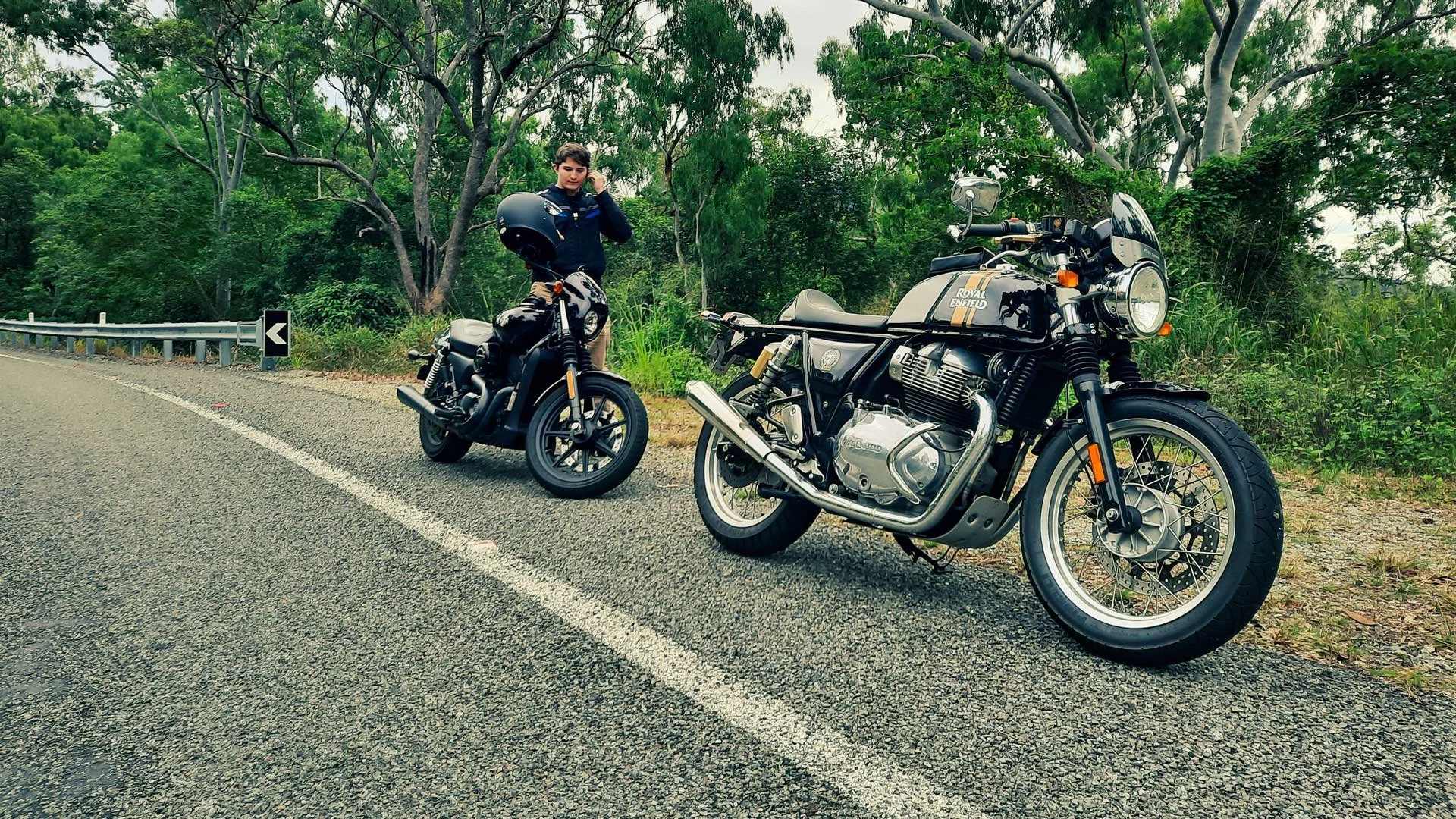
If you want more practical roadcraft, mindset work, and real‑world lessons from the road, you’ll find all of it in my writing.
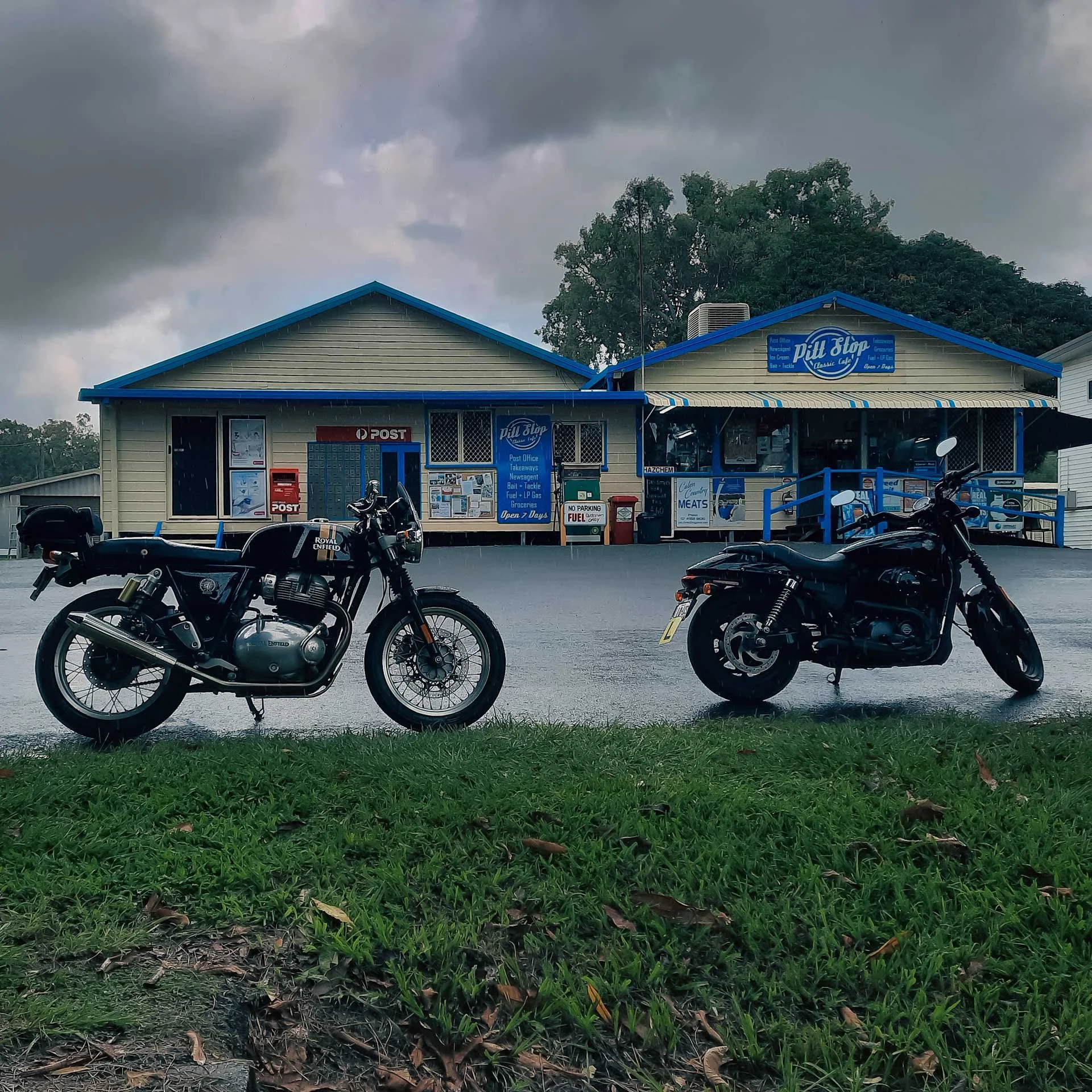
I’m a big believer in structured learning. If you want professional coaching, Smart Rider Academy is a solid place to start.