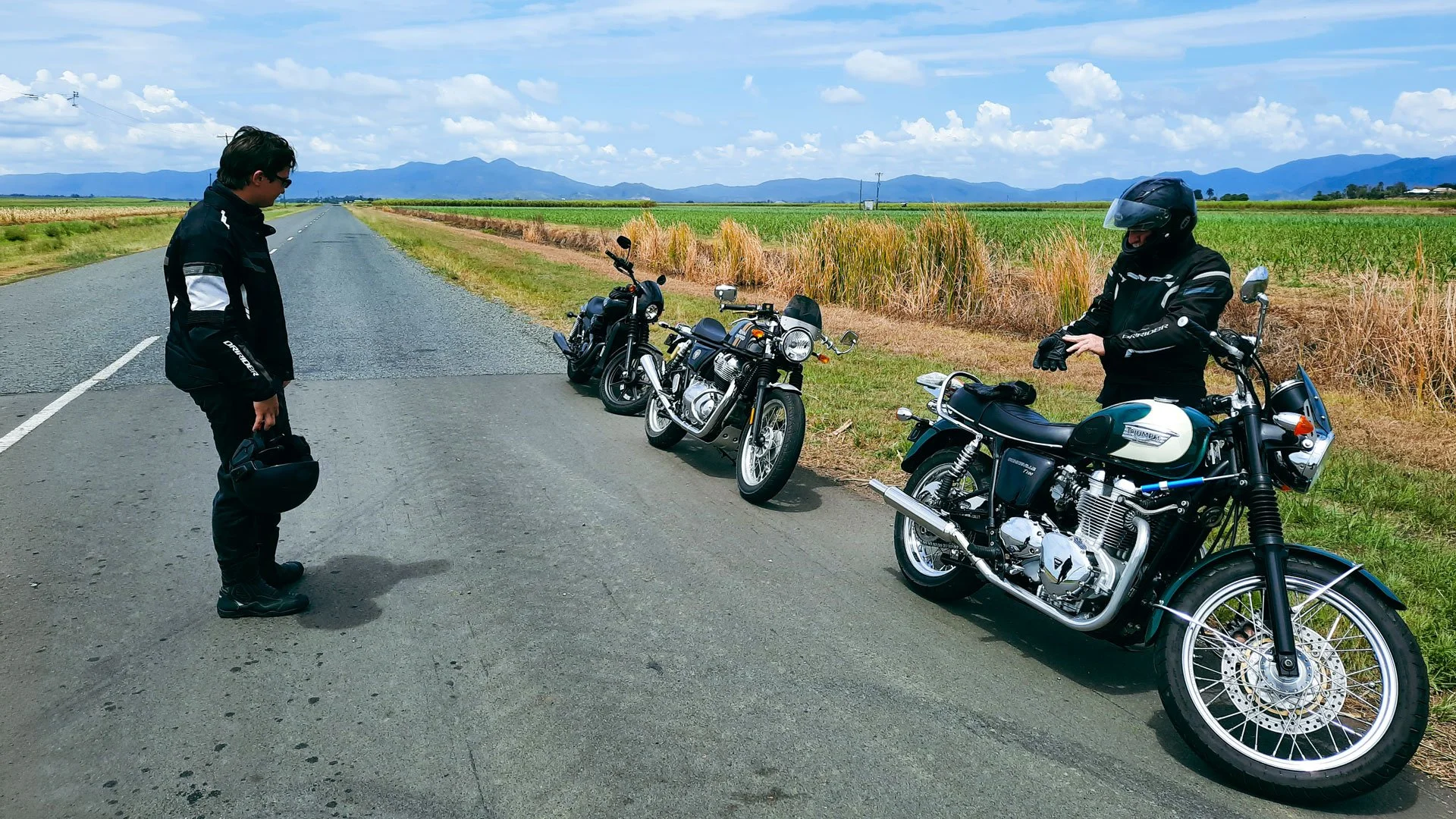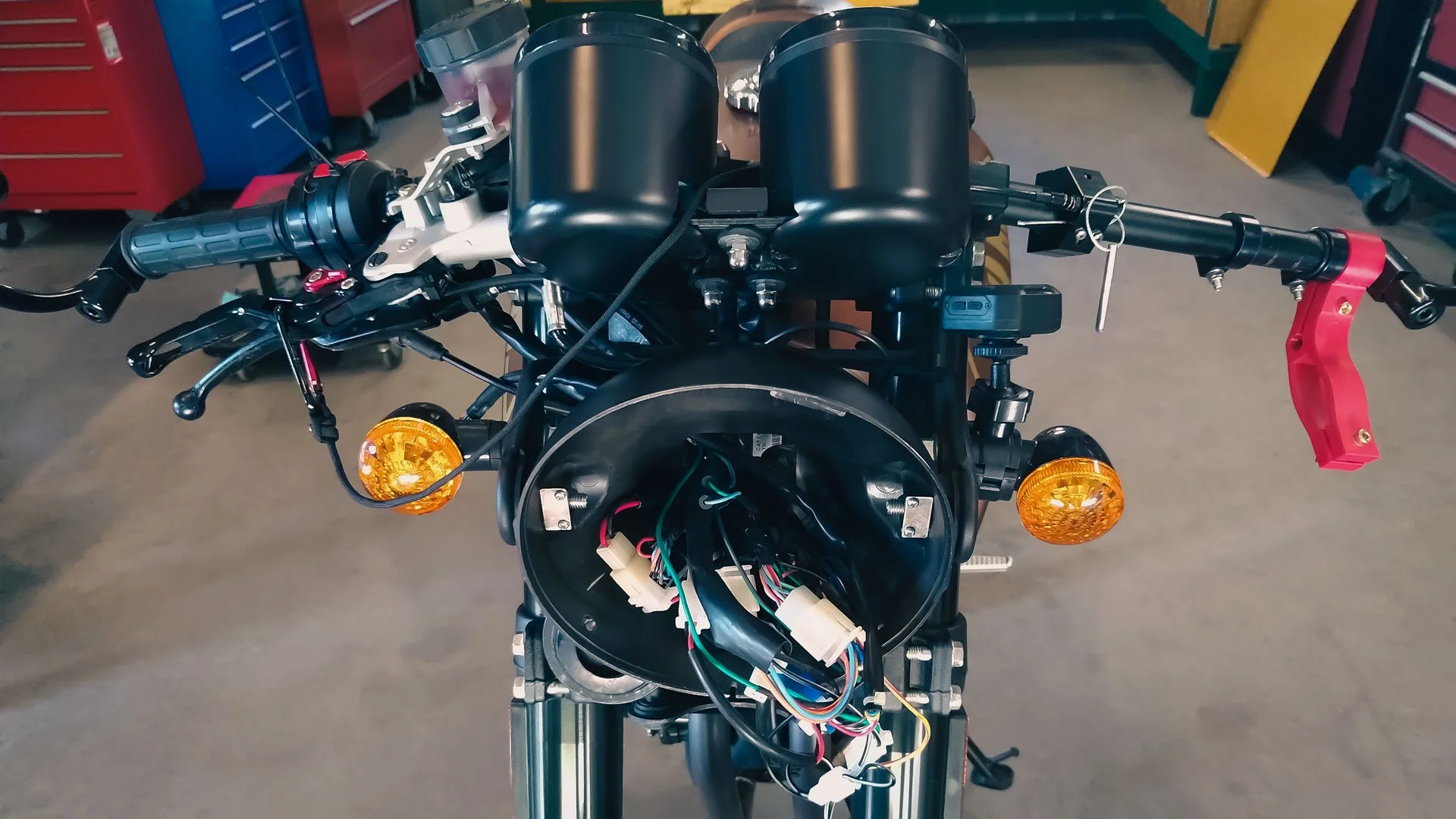
Buying a motorcycle is already a gamble, but buying one without test riding? That’s a whole different risk. I don’t get to see if a bike fits, feels right, or makes sense for my body until after I’ve bought it. I can sit on it, check the reach, the ergonomics, the vibe. But the real question—can I actually ride this with one arm?—doesn’t get answered until it’s mine.
For me, bike buying feels like an arranged marriage. No test rides. Commitment is final.
So far, I’ve been lucky; stubbornness and brains have gotten me through.
My first bike back — the SWM 440 Gran Milano — was the guinea pig. I sat on one at a local dealership, loved it, and before I could scrape together the cash, it sold. So I bought one sight unseen from out of town and had it freighted up. No test ride. No guarantees. Just hope and stubbornness.
The Royal Enfield I bought purely based on how it looked on the internet, figured I’d make it work. And I did. Great bike. I should get another one.
The TRXs? Both of them? Didn’t care. I loved those things before my accident and swore I’d get one one day. So, when they came up, I dived in, determined to make it work, regardless of how good the fit was now that I had one less arm.
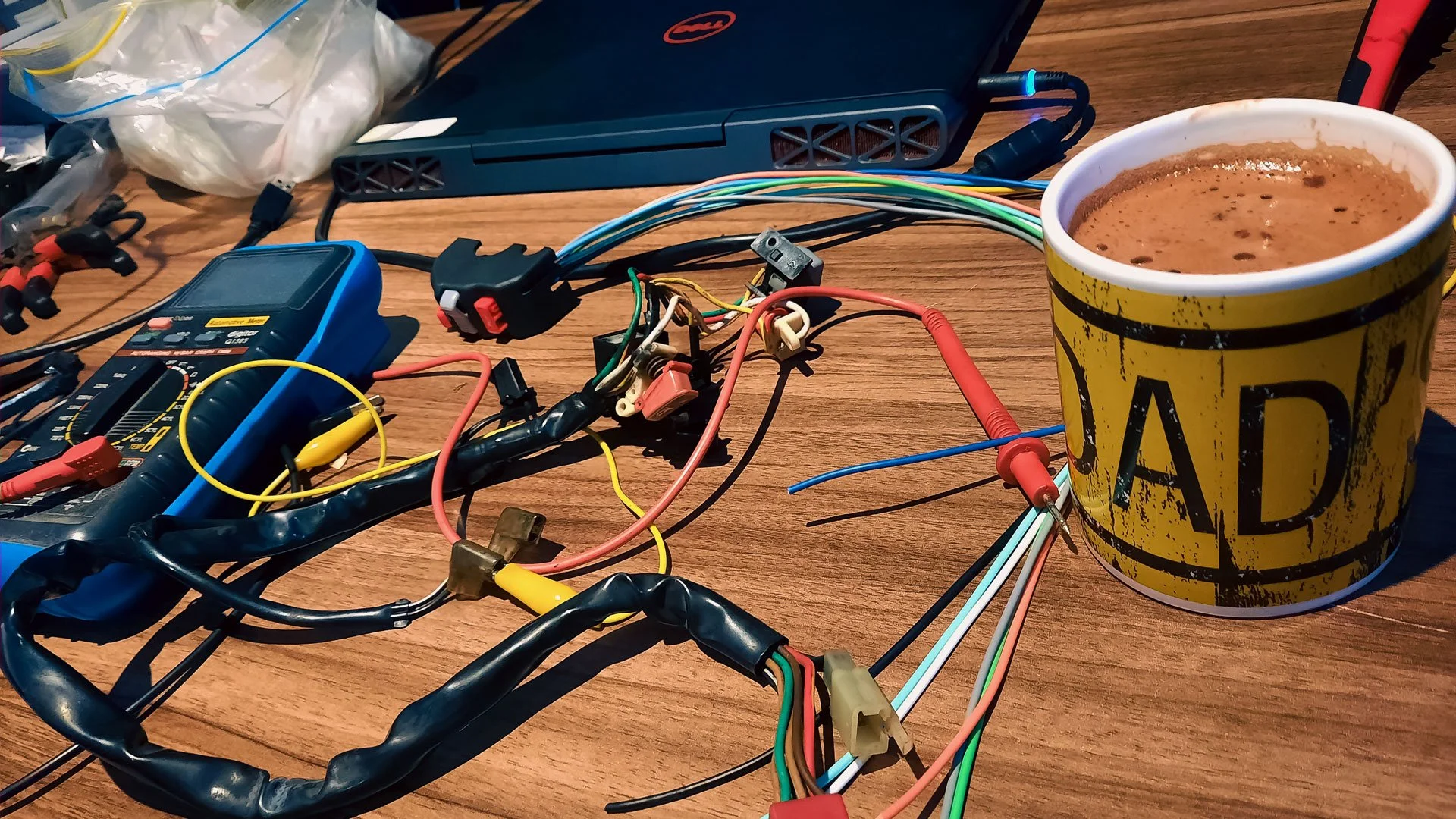
The two Zeds weren’t what I was looking for. I wanted the RS—older gentleman and all that. But Bub preferred the TRX’s seat, so the Zed it was. Turns out, the Zed suits my riding better than expected.
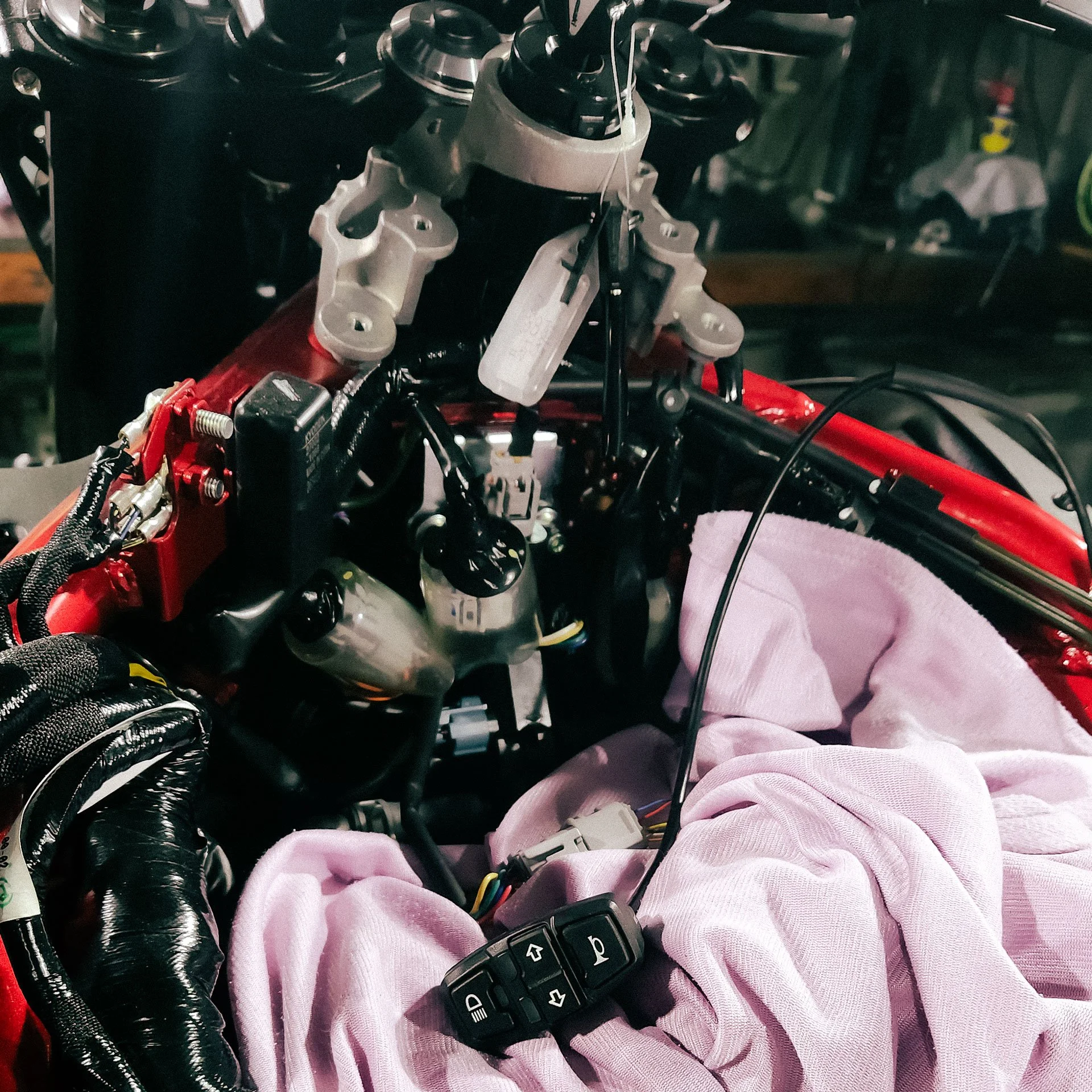
There are two big stall points before I buy: wiring diagrams and understanding switchgear, especially how changes affect clutch switches, brake light switches, and levers. I have to squeeze in a clutch lever, typically between the existing front brake lever and the switchgear - real estate here and the lack of it can be the biggest challenge, even before you’ve figured out how to get the controls over to that side as well.
I’d own an MT-09 if it weren't for A: the lack of real estate (what's with that brake light switch?) and the issue with Yamaha not sharing wiring diagrams. I could probably sort that brake light switch, get my clutch lever in there, but without wiring diagrams, my dreams of owning one of the best-sounding motorcycles will remain a dream for a while longer. Longer now again as I have a rock-solid Z900 that will outlast me probably… and the Zed sounds pretty good at full tilt.
Kawasaki have always been brilliant. Helpful with information, and their electrical systems are a dream to work with. Everything just makes sense; simple, nothing fruity going on there with the wiring. Nice wide bars to make room for the extras I need to make the bike rideable.
I don’t know how other amputee riders handle this. Maybe they test ride, maybe not. For me, every purchase is a trust fall.
The mods themselves have gotten easier over time. I’ve built a process:
Remove as little as possible.
Reuse everything you can
Build an intermediate harness so the factory loom stays untouched.
Source the right electrical connectors (plugs and sockets for wires) and tools.
Keep it clean, reversible, and reliable.
Each bike gets easier. Each mod gets cleaner. Each system gets more refined.
My next challenge is a big one:
Making a bike rideable by both a one‑armed rider (me) and a two‑armed rider (probably my Dad).
The TRX is coming back on the road soon, and it’ll be my first attempt at a “two‑handed one‑armed bike”… or a “one‑armed two‑handed bike.” Whatever you call it, it’s going to need:
Factory left‑hand switchgear is fully functional.
Controls fr me on the right-hand side, including the factory right-hand controls.
Two functioning clutch levers: the factory lever and one for yours truly.
A grip on the left-hand side that accepts a “normal” hand but still includes the release hardware for my hand.
I should be modelling parts and printing prototypes, but this has been on my mind for a while.
Buying bikes without test rides.
Modifying them from scratch.
Making them work for a body that isn’t standard issue.
And now, trying to make them work for any rider.
It's a great excuse for me to buy more bikes, I think.