What Makes a Motorcycle Good for One‑Arm Riders (From My Experience)
I haven’t ridden every bike there is yet, and my experience is still limited. I’ve mostly stuck to naked bikes and sport-touring-style bikes, with no cruisers and only one dirt bike so far. That dirt bike is high on my priority list currently.
The bikes you choose should start with personal preference, assuming you’re prepared to do the work. By work, I mean adapting yourself a little. I started out riding a dirt bike, then moved to the SWM, and there was a small adjustment period while my body adapted. My approach of starting with the “want” and then adapting to the bike might not suit everyone.
Feel the bike out, sit on it, and, if you’re capable and safe enough, try riding it to see how you and the bike work together. If you’re modifying the bike, you’ll be investing money and time, or both, so don’t rush this.
Why Seating Position Matters for One‑Arm Riders
How your body is positioned on the bike will be critical to how well you can control it with one arm. Before my accident, I’d loathe having to ride cruiser bikes as a mechanic: forward controls are weird, and the “laid back arms in the air” position makes low-speed work more difficult than it needs to be. At the opposite end is the butt-in-the-air, arms-low position; I hope your socket is comfortable, because you’ll be loaded up in there. The key takeaway: choose a riding position that supports one-arm control.
My TRX isn't that savage, and I’ve done some very long rides on it with one arm. It's not a problem for me now, but it took a while to build “ride fitness” into my shoulder and neck.
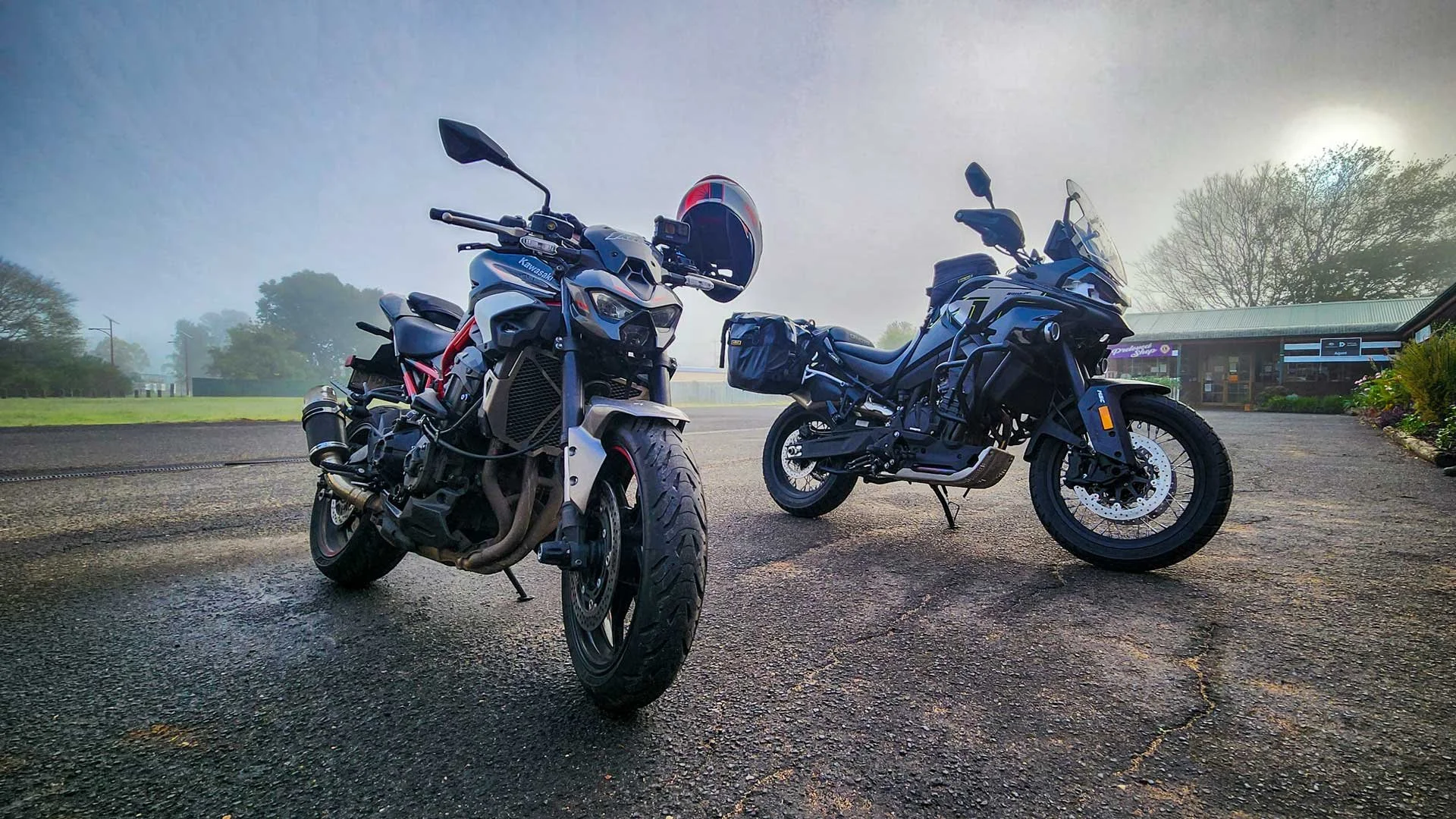
So, my reason for riding naked bikes is mostly control and comfort. The Zed is a great bike, with a good seating position, controls, and a seat that isn’t too bad for comfort.
Clutch Weight and Throttle Feel
Oh boy, the TRX has a heckin’ heavy clutch. Larger, older bikes without slipper clutches will have heavy clutches. That’s not such a big deal at first, until you’re stuck in peak-hour stop/start traffic. I did my Qride testing on the TRX, and it was an effort.
Most modern bikes use slipper clutches, which are much lighter than the TRX’s. Then it’s just a matter of finding the right clutch lever that works for you and fits the bike. Once you have everything moved to one side of the bike, you run into issues with room for certain clutch lever profiles.
Keep in mind, your hand is doing a lot of work now; you’ll need everything positioned so you have good mobility and access to all controls without snagging or awkward positioning. Test everything with gloves on. If you don’t wear gloves while riding, shame on you.
Vibration, Comfort, and Long‑Ride Fatigue
I’ve already covered this, but it’s worth revisiting. If you’re motivated, like me, you can get your body to work with any bike. If you’re a dedicated rider, like me, developing and maintaining an exercise routine to keep your body in shape is critical.
Long rides, vibration, that hum through the bars — I don’t feel that. But I can see it in my bike's handlebar-mounted mirrors: the left-hand side mirror doesn’t have that buzz compared to the right. Buzz or not, long rides or short rides, I’ve not had any issues with vibration.
Aside from the early days of getting used to a new bike or riding position, I’ve not had any issues with my short arm while riding. However, I do have to set the arm right for different bikes — elbow and wrist position — and if I forget to do this, jumping between the TRX and the Zed feels super awkward. Same with the settings on the Fox shock: riding the TRX means changes to compression, rebound, and the pressure I put into it. If I take off on the TRX with the Zed settings in the shock, it’s a challenging ride, and I ride back home to change things.
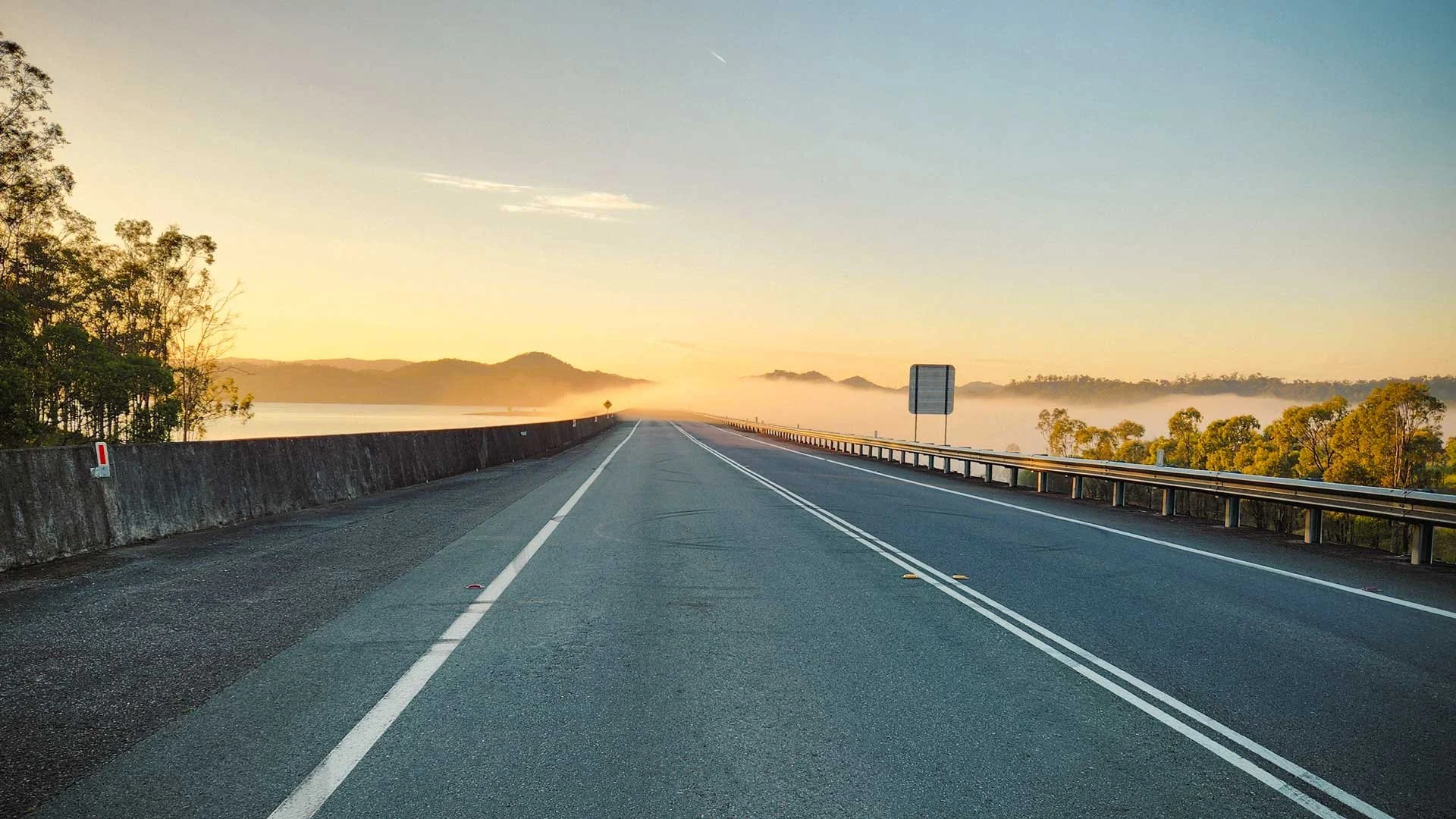
I have just completed a 2500km bike ride, and I certainly felt most of the Queensland roads through my short arm. The coast road isn’t too bad, but I took a section of the road trip along the inland road, and it was brutal. The rough roads and those bumps and shocks are transmitted directly to my left shoulder. The last 300km of the ride down was pretty painful. Fortunately, it was extremely cold, so I was contending more with the cold than with my sore shoulder. Any pain I felt from the road trip was easily sorted with a long, hot shower and some rest.
On the road trip home, I injured my shoulder making a simple U-turn, so I had a few hundred kilometres of that pain to manage. To manage pain while I’m still riding, move and unload the shoulder. I’ll do this by changing body position while riding, and I’ll make sure I’m performing similar movements with both shoulders.
Bikes That Worked for Me (And Why)
I’m going to say all of them. I made all of the bikes I’ve owned or own work. There’s been some adaptation for me and the arm to make things work perfectly, but I’ve made them all work.
The SWM was a good starter bike: light, simple, solid. No bells and whistles, just a basic bike. That made it a good starting platform. I got to build important skills, like going slow, on that thing. If I had to suggest a good starter bike, I’d suggest something in the same shape and flavour: small, light, cheap. You’re gonna goof something up while you’re learning, so do the goofing up on a cheap bike.
I’m not shying away from sports bikes; I have my eye on the ZX6, or, if I can find one, the same-year GSXR-750 that I was riding when I had my accident. For now, I’ll keep riding the TRX; riding that bike keeps old, essential skills alive.
The Zed, at this stage, is a bike I’m going to keep. It’s too good a bike for what I paid for it. The mods have worked flawlessly and proven themselves very reliable. Low speed on the Zed is buttery smooth and incredibly easy for the bike that it is.
The Royal Enfield, oh, I’d have one of those again for sure. I’m pretty sure everyone knows that. Again, it’s an easy bike to ride slowly, and it’s tough, simple, and reliable.
What Really Matters to Me When Choosing a Bike as a One‑Arm Rider
That’s a long list; there are many bikes from my life before the accident I’d like to own and ride again. I won’t list them all here, but there’s old stuff and new stuff on that list. It’s no longer just about the bike or owning it and riding it — as an amputee, it’s about getting the bike to work. Every bike is different, and the more I do this, the more I want to improve these modifications and how I do them.
In the end, what matters most to me now is finding bikes I can make work and keep improving on. Every bike teaches me something different; every setup pushes me to refine how I ride and how I adapt. I’m not chasing the perfect bike — I’m chasing the process of making each one mine. One arm or not, that’s where the real satisfaction is. The takeaway is that progress matters more than perfection.